Therapy for Kids Perth Partners with MercyCare Early Learning Centres
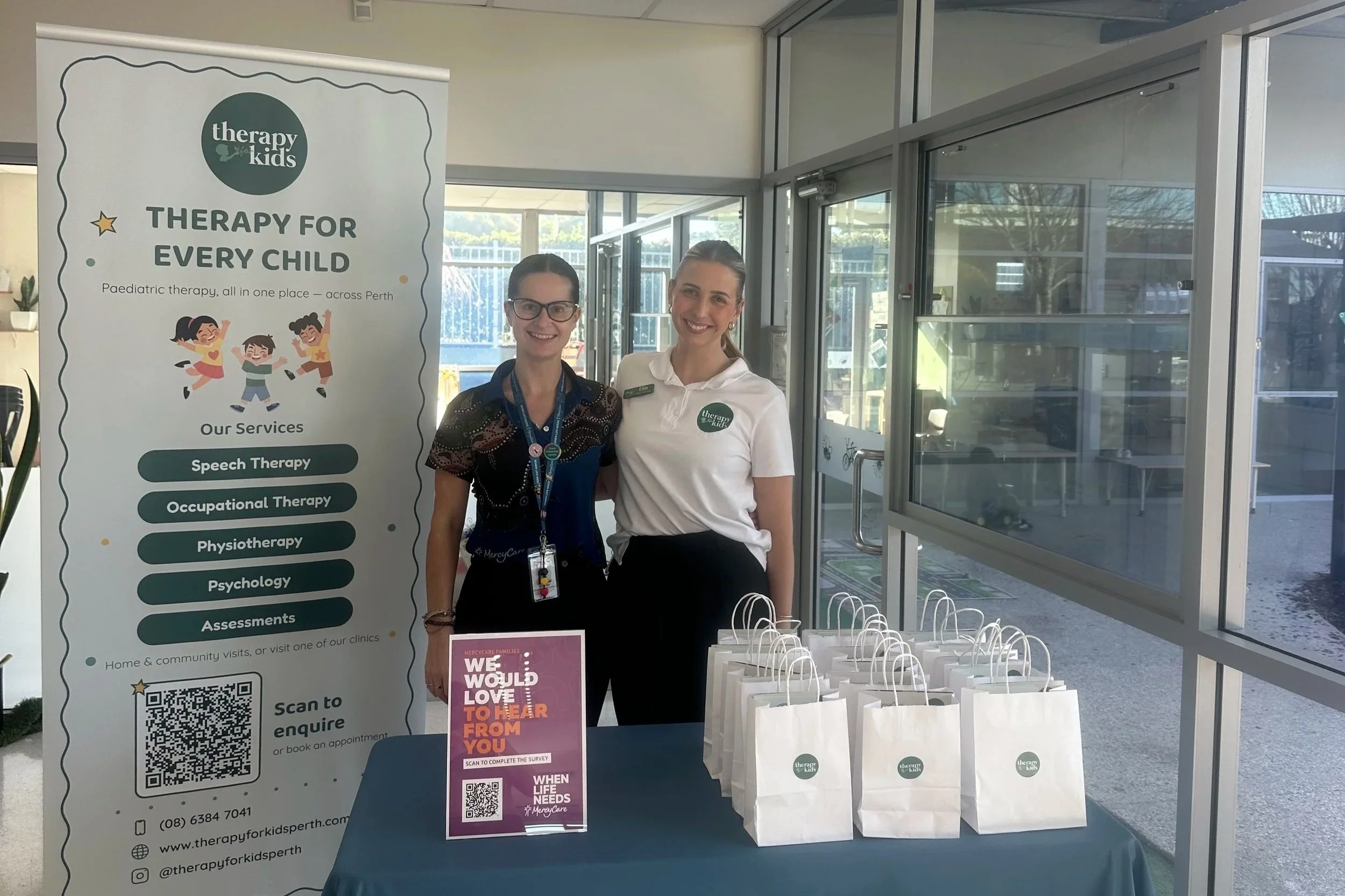
Courtney Barnard, Innovation and Performance Lead at MercyCare, with Ellie Buswell, Speech Pathologist & Partnership Lead at Therapy for Kids Perth, at the Bennett Springs Early Learning Centre launch.
For the past few months, Therapy for Kids Perth has been working alongside MercyCare Early Learning Centres to bring allied health support directly into early learning rooms across Perth.
The early years are when children build the communication, play, sensory and self-regulation skills they'll rely on for the rest of their lives. Educators see this development up close every day, and they are often the first to notice when a child might need a little extra support. This partnership gives them practical, clinical backing from speech pathologists and occupational therapists, right where the learning happens.
What the Partnership Involves
Our speech pathologists and occupational therapists visit participating MercyCare centres to observe how the whole group plays, learns and moves through the day. We look at the room and routines, not individual children. Afterwards, each centre receives a written summary with practical, tailored strategies centres and educators can start using straight away.
We don't stop at the report. Our clinicians follow up with each centre to help put strategies into practice, answer questions and adjust suggestions to suit the room.
The program has started with a group of centres chosen by need, and has grown from there.
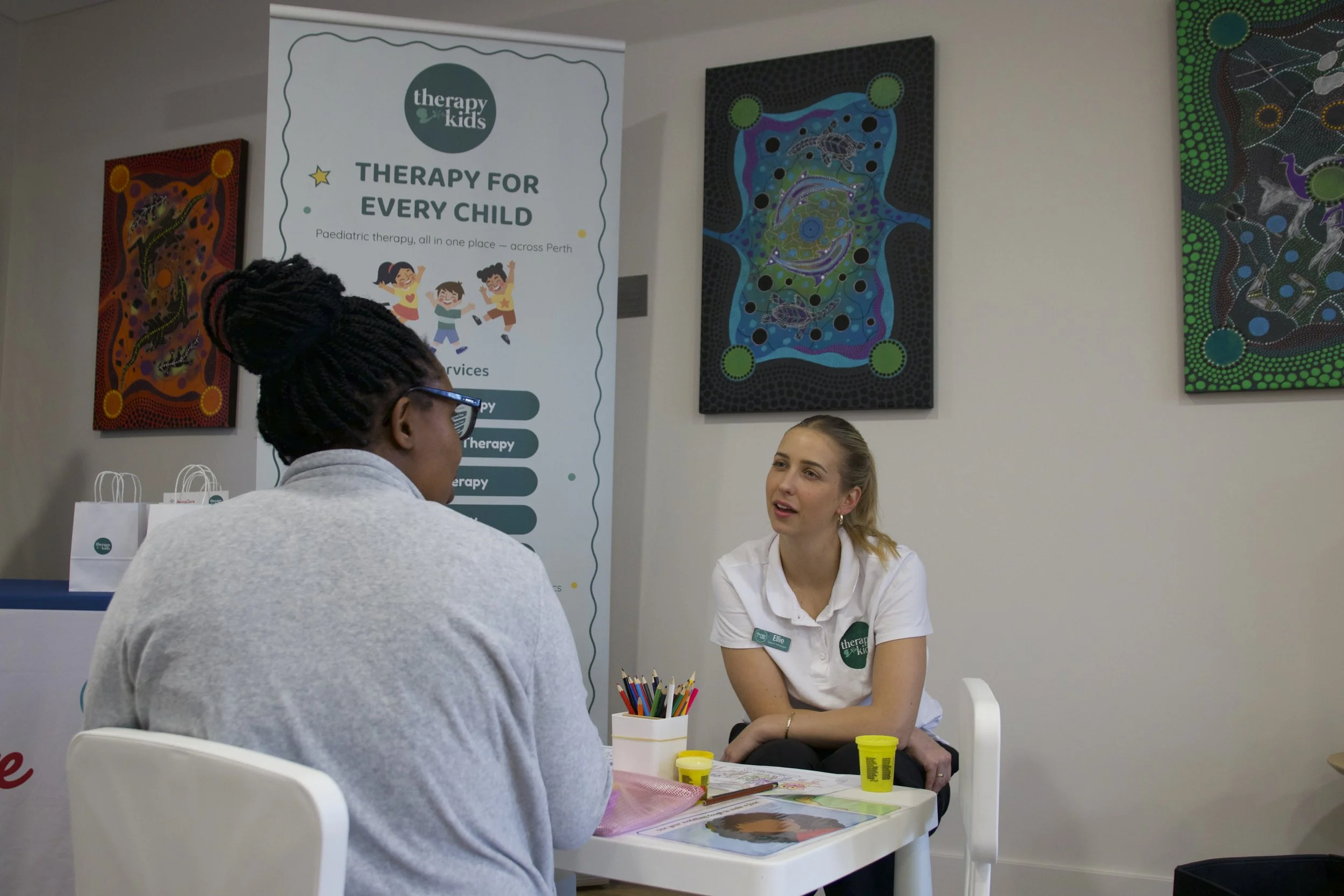
Services We're Providing to Centres
Whole-group observations. A speech pathologist and occupational therapist spend a morning in the room, observing communication, play, transitions, sensory needs and how children engage with activities and each other.
Observation reports and strategies. Each centre receives a clear, easy-to-read summary covering what's working well, areas to build on and specific strategies for educators.
Implementation support. Our team follows up after each report to help educators apply the recommendations and troubleshoot what comes up.
Educator education sessions. We're running professional learning sessions for MercyCare educators, starting with two key topics: using visual supports in the early learning environment, and supporting children with neurodevelopmental differences.
Parent workshops. We're working with MercyCare to plan workshops for families, giving parents practical tools to support their child's development at home.
Launch events at each centre. We host a launch event at every participating centre; a chance for families to meet our clinicians, see what the partnership offers, and ask questions in person.
Why this matters
Children don't need a diagnosis to benefit from good support. When educators have practical strategies for communication, sensory needs and routines, every child in the room benefits. This includes children who may be waiting for an assessment or who haven't yet been identified as needing help.
By working alongside educators rather than only seeing children one-on-one in a clinic, we can help create environments where all children can participate fully.
Want to Know More?
If your child attends a MercyCare Early Learning Centre and you'd like to learn more, come along to a launch event or speak with your centre director. Read more about our partnership with MercyCare on their website here.
We're proud to be working with MercyCare and look forward to meeting families and educators across the network.
Questions about your child's development?
If you'd like to explore speech pathology or occupational therapy with our team, we'd love to hear from you. We have clinics in Myaree, Beckenham, Canning Vale and Karrinyup, and also offer mobile and home visits.